
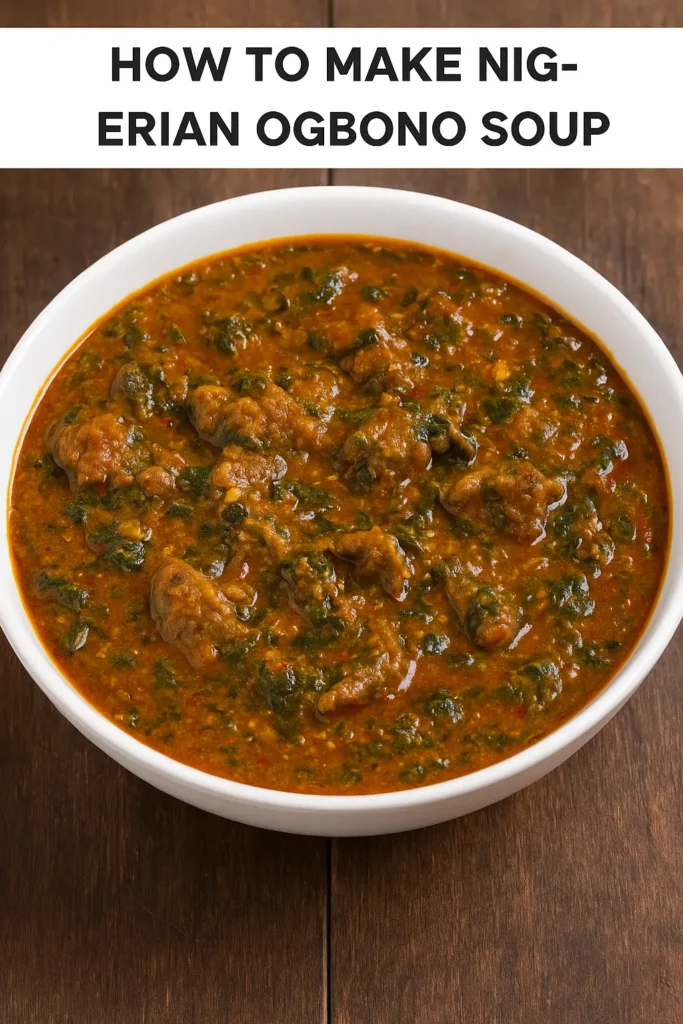
Ogbono soup is one of the most loved Nigerian soups because of its rich taste and smooth, “drawy” texture. It is enjoyed in many homes across Nigeria, especially among the Igbo, Yoruba, Benin, and Niger Delta people. The soup is made from ground Ogbono seeds (wild African mango seeds), cooked with palm oil, assorted meats, fish, stockfish, and sometimes vegetables like ugu or bitterleaf.
This soup is not only delicious but also very easy to prepare if you follow the right steps. Ogbono thickens naturally, which makes the soup smooth and perfect for swallowing foods like eba, fufu, pounded yam, or semo.
In this guide, you will learn everything you need to know about making authentic Nigerian Ogbono soup at home. From the ingredients you need, to the nutritional benefits, to a complete step-by-step cooking process that even beginners can follow. Whether you prefer it plain, mixed with okra, loaded with vegetables, or cooked the Niger Delta way, this guide gives you all the information you need to get the perfect result every time.
By the end of this article, you’ll be confident enough to cook Ogbono soup that tastes just as good as what you enjoy in top Nigerian restaurants or local homes.
What Is Ogbono Soup?
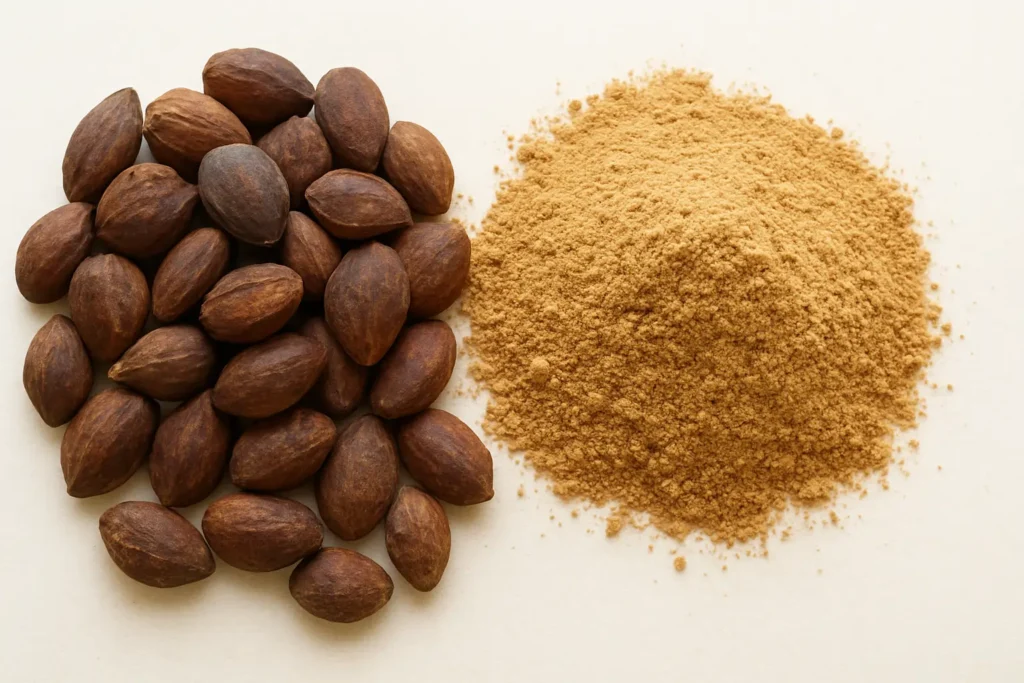
Ogbono soup is a traditional Nigerian soup made from ground Ogbono seeds, also known as wild African mango seeds. These seeds are dried and blended into a fine powder, which gives the soup its famous “draw” or stretchy texture. When cooked properly, Ogbono becomes thick, smooth, and slightly sticky, making it perfect for eating with swallow.
The soup has a rich, earthy taste that blends well with palm oil, meat, stockfish, smoked fish, crayfish, and a variety of spices. Many Nigerian tribes have their own style of preparing it. The Igbo version is usually simple and thick, the Yoruba version may include vegetables like ewedu or okra, while Niger Delta people love adding plenty of fish and palm oil for a deeper flavor.
Ogbono soup is loved because it cooks fast, tastes amazing, and allows you to use different proteins depending on what you have at home. Whether you make it plain or mix it with vegetables, it remains one of Nigeria’s easiest and most satisfying soups.
Ingredients You Need for Ogbono Soup
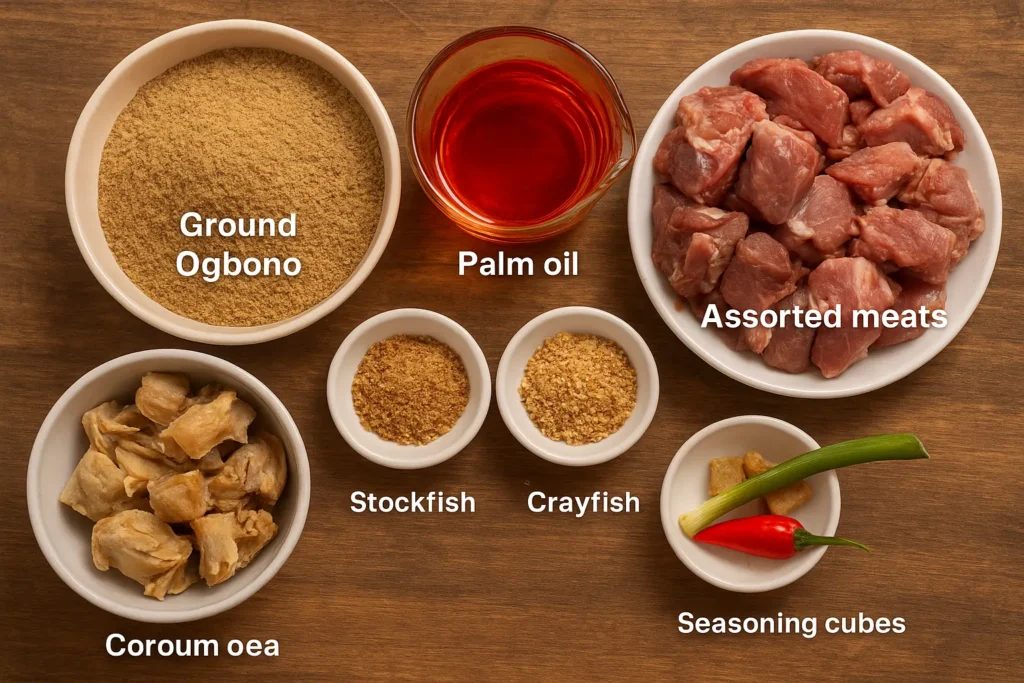
Ogbono soup is simple to cook, but the flavor depends heavily on the quality and combination of your ingredients. The good thing about Ogbono is that you can make it with different proteins and vegetables depending on your taste and budget. Below is a detailed breakdown of all the ingredients you need to prepare rich, tasty, and authentic Nigerian Ogbono soup.
Read On How to Make Authentic Egusi Soup Step by Step
Main Ingredients
Ogbono seeds (wild African mango seeds)
Ogbono is the main ingredient that makes the soup thick and draw. You can buy the seeds whole and grind them at home, or you can buy already-ground Ogbono from the market. When buying, choose fresh-looking, dark brown seeds because they draw better and taste richer.
Palm Oil
Palm oil gives Ogbono soup its bright color and smooth texture. Good-quality red palm oil also helps release the natural aroma of the soup. Avoid using too much, because Ogbono already has natural oil.
Meat (beef, goat meat, or assorted meat)
Your choice of meat adds flavor and body to the soup. Beef is the most common option, goat meat gives a stronger local taste, and assorted meat like shaki and roundabout adds richness and texture.
Stockfish
Even though stockfish is optional, many people consider it a key ingredient because of the deep, traditional flavor it adds. Soak it in water before cooking so it becomes soft.
Smoked Fish
Smoked fish adds a sweet, smoky taste that blends perfectly with Ogbono. It also enriches the soup and gives it a homely, Nigerian feel.
Crayfish
This ingredient is important for authentic local flavor. Ground crayfish adds sweetness and enhances the soup’s aroma. Without crayfish, the soup may taste incomplete.
Seasoning Cubes & Salt
These balance the taste of the soup. Use seasoning cubes sparingly because Ogbono already has a naturally deep flavor.
Pepper (fresh or dry)
Add pepper according to your taste. Fresh pepper gives a sharper heat, while dry pepper gives a more traditional flavor.
Optional Ingredients
Ugu (pumpkin leaves)
If you prefer your Ogbono with vegetables, ugu is the most popular choice. It adds color, vitamins, and freshness. Make sure you don’t add too much so the soup still draws well.
Bitterleaf
Some people prefer Ogbono with bitterleaf because of its strong traditional taste. Wash the bitterleaf properly to remove the strong bitterness before adding it.
Okra
If you want extra draw, okra works very well with Ogbono. It also adds a nice texture and makes the soup thicker.
Ponmo (cow skin)
Ponmo adds a soft, chewy texture to the soup and makes it more enjoyable. It is very common in Nigerian homes.
Fresh Onions
Many people use onions when boiling meat for taste. However, avoid adding onions directly to the Ogbono soup itself because it reduces how well the soup draws.
Read On How to Make Nigerian Fried Rice Step by Step (Authentic Recipe Guide)
Nutritional Benefits of Ogbono Soup
Ogbono Soup is not only delicious and filling, but it is also packed with nutrients that support the body in many ways. Many Nigerians enjoy this soup because it is affordable, but the surprising part is how healthy it truly is. Below are the major nutritional benefits you get each time you enjoy a bowl of Ogbono Soup:
1. Rich in Healthy Fats for Energy
Ogbono seeds contain natural healthy fats that help the body produce energy. These fats keep you full for longer, reduce cravings, and support brain function. Unlike unhealthy fat sources, Ogbono contains good fats that the body can use easily.
2. High in Protein (Especially When You Add Meat or Fish)
Ogbono Soup, when cooked with beef, fish, stockfish, or goat meat, becomes a protein-rich meal that supports:
- Muscle growth
- Tissue repair
- Strong immune system
Protein is also very important for children, making Ogbono Soup a great meal for families.
3. Great Source of Dietary Fiber
Ogbono contains natural fiber that helps with smooth digestion. This fiber prevents constipation, keeps the stomach comfortable, and helps control appetite. The vegetables added to the soup also increase fiber content.
4. Packed With Vitamins and Minerals
Ogbono seeds contain:
- Calcium – for strong bones
- Iron – for healthy blood
- Magnesium – for heart and nerve function
- Potassium – for body balance
When combined with leafy vegetables like ugu or spinach, the nutritional value increases even more.
5. Helps With Weight Management
Ogbono Soup is naturally thick and filling. This means you feel satisfied after eating just a small quantity. This is helpful for:
- People trying to reduce weight
- People who overeat often
- People managing blood sugar
Because of its low carbohydrate level (when eaten without heavy swallow), it is also suitable for dieting.
6. Supports Heart Health
The healthy fats in Ogbono help balance cholesterol levels, reducing the risk of heart-related diseases. When cooked with minimal palm oil and plenty of vegetables, it becomes even more heart-friendly.
7. Boosts Immune System
Ogbono Soup includes ingredients like:
- Crayfish
- Stockfish
- Vegetables
- Spices
These ingredients help the body fight infections, strengthen immunity, and keep you healthy.
How to Cook Ogbono Soup (Step-by-Step Instructions)
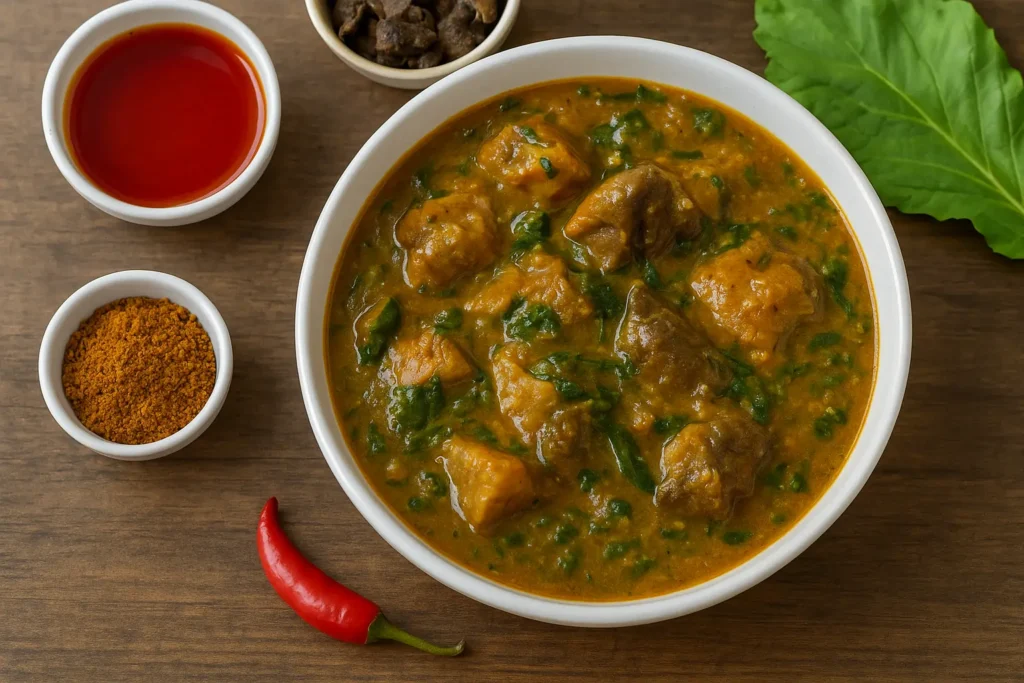
Below is the complete detailed, beginner-friendly step-by-step guide for preparing Ogbono soup.
Step 1 – Prepare and Season Your Meat or Fish (Expanded Version)
The first and most important stage of cooking Ogbono Soup is preparing your meat or fish properly. This step determines how rich and flavorful your soup will be because the meat stock forms the foundation of the entire dish. Start by choosing your preferred protein. Many Nigerians like to combine different meats such as beef, goat meat, cow tripe (shaki), cow leg, or soft chicken. You can also include fish, stockfish, or dry fish for extra flavor.
Wash the meat thoroughly using clean water. If you are using cow tripe or cow leg, take your time to scrape and wash them well because they often contain dirt. Place all the washed meat into a clean pot. Add your seasoning: salt, seasoning cubes, chopped onions, and a bit of ground pepper. The onions add natural sweetness and help soften the meat while cooking.
Add a small amount of water, do not flood the pot. Just enough water to steam the meat and extract a rich, concentrated stock. Cover the pot and allow the meat to cook on medium heat. If you’re cooking tougher parts like goat meat or cow leg, give them enough time to soften properly. You can test the softness with a fork. When the fork goes in easily, the meat is ready.
If you’re using stockfish or dry fish, soak them earlier to soften them, then add them to the pot halfway through the cooking process. This allows the fish flavor to blend with the meat without breaking apart too early.
Once the meat becomes soft and well-seasoned, remove it from the water. Do not throw the stock away. This meat stock is very important because it will serve as the soup base, giving your Ogbono a deep and delicious taste. Set both the cooked meat and the stock aside as you move to the next step.
Step 2 – Melt the Ogbono Properly
Melted Ogbono is what gives the soup its smooth, stretchy, and thick texture. If this step is not done correctly, the soup may fail to thicken or may form lumps. Start by placing a clean pot on low heat. Add a small amount of palm oil, just enough to cover the base of the pot. Allow it to warm up gently. Do not let the oil bleach or overheat. Warm oil helps Ogbono dissolve easily.
Pour the ground Ogbono into the warm oil. Use a wooden spoon to stir continuously. The heat will slowly melt the Ogbono, and it will begin to blend smoothly with the oil. This process should be done patiently because rushing it may cause the Ogbono to burn or form lumps. Keep stirring until it becomes a smooth paste without any dry particles.
Some people prefer to dissolve Ogbono in hot stock instead of palm oil. If you want to use the stock method, simply pour a little hot meat stock into a bowl of ground Ogbono and mix until smooth. Both methods are correct, but melting in palm oil gives a deeper color and richer flavor.
Once your Ogbono is fully melted, reduce the heat and get ready to combine it with your meat stock in the next step. A perfectly melted Ogbono is key to achieving that stretchy, draw like texture the soup is famous for.
Step 3 – Combine the Ogbono Paste With the Meat Stock
Once your Ogbono has melted smoothly, it is time to mix it with the meat stock. This is one of the most important stages because it determines how well your soup will draw and how rich the final texture will be.
Start by pouring your meat stock slowly into the pot of melted Ogbono while stirring continuously. Add the stock a little at a time so the Ogbono can absorb the liquid evenly. If you pour too much at once, the soup may become watery or fail to thicken properly. Keep stirring until the mixture becomes smooth and starts to thicken.
Place the pot back on medium heat and allow the mixture to cook for a few minutes. As it cooks, you will notice the Ogbono begin to bubble and produce a stretchy effect when you stir with a spoon. This is a good sign, it means the Ogbono is activating well.
If the mixture is too thick, add a little more stock or water. If it looks too light, sprinkle in a small amount of ground Ogbono and stir gently until it thickens again. Adjust slowly to avoid changing the texture too abruptly.
Allow the mixture to cook for at least 5–10 minutes. This cooking time helps remove the raw taste of Ogbono and builds flavor. Keep your heat moderate to prevent burning, and stir occasionally to ensure everything cooks evenly.
Once you see the soup drawing well and forming a glossy, thick consistency, your Ogbono base is ready for the next ingredients.
Step 4 – Add Palm Oil, Seasoning, and Additional Flavors
At this stage, the Ogbono has already combined with the meat stock and formed a thick, stretchy base. Now it’s time to build flavor and give the soup that rich Nigerian taste we all love. Even though you already used a bit of palm oil earlier to melt the Ogbono, you may still need to add more depending on how rich you want the soup to be.
Start by pouring a small amount of palm oil into the pot, usually 1 to 2 cooking spoons. Allow the oil to blend naturally into the mixture as the soup simmers. The soup will take on a more vibrant golden-brown color, which is typical of well made Ogbono soup. Avoid adding too much at once, as excessive oil can overshadow the natural flavor of the Ogbono.
Next, add your seasoning cubes, salt, and ground crayfish. Crayfish deepens the aroma of Ogbono soup and gives it that authentic Nigerian flavor found in many homes. Stir well so the seasonings dissolve evenly into the soup. You can also include dry pepper or fresh blended pepper if you prefer your Ogbono spicy. Pepper adds heat and makes the soup more enjoyable, especially when served with swallow.
If you’re using smoked fish, dry fish, or stockfish, now is the right time to add them. These ingredients introduce a rich, smoky taste that complements the smooth texture of the Ogbono. Make sure the bones are removed and the fish is washed properly before adding it to the pot. As the soup cooks, the fish softens and releases its natural flavor into the mixture.
Allow the soup to simmer on medium heat for another 5–10 minutes. The goal is to let the seasonings blend perfectly and give the soup a deeper, richer taste. Stir occasionally so nothing sticks to the bottom of the pot. Once the aroma becomes stronger and the color deepens, your base is ready for vegetables.
Step 5 – Add Vegetables and Allow the Soup to Finish Cooking
This is the final step where your Ogbono soup begins to come together beautifully. Vegetables add color, freshness, and extra nutrients to the soup, so choosing the right type and adding them correctly is very important. The most commonly used vegetable for Ogbono soup is ugu, also known as fluted pumpkin leaves, but you can also use bitterleaf or spinach depending on your preference.
Start by washing your vegetables properly. If you are using ugu, rinse it gently to keep the natural green color. Chop the leaves into small pieces and set them aside. If you prefer bitterleaf, make sure it is washed enough to remove the strong bitter taste, unless you want the soup to have a slightly bitter flavor.
Now return to your pot of simmering Ogbono. Taste the soup and check if the seasoning is balanced. This is the perfect time to adjust salt, pepper, or seasoning cubes. Once the taste is perfect, add your cooked meat, fish, or stockfish back into the pot and allow them to simmer for a few minutes so they absorb the flavor of the soup.
Next, pour in your chopped vegetables and stir gently so that the vegetables mix evenly. Vegetables cook quickly, so avoid leaving them on the fire for too long. Overcooking will make them lose nutrients and color. Allow the soup to cook for only about 2 to 3 minutes after adding the vegetables.
Once the vegetables soften slightly and blend well into the soup, turn off the heat. Your Ogbono soup should now have a rich aroma, a glossy surface, and a thick, stretchy consistency. The fish and meat should be tender, and the vegetables should remain fresh and green.
Your delicious Ogbono Soup is now ready to be served with eba, pounded yam, semo, fufu, or wheat.
Read On How to Cook Beef Suya and Jollof Rice
Serving Suggestions (How to Serve Ogbono Soup)
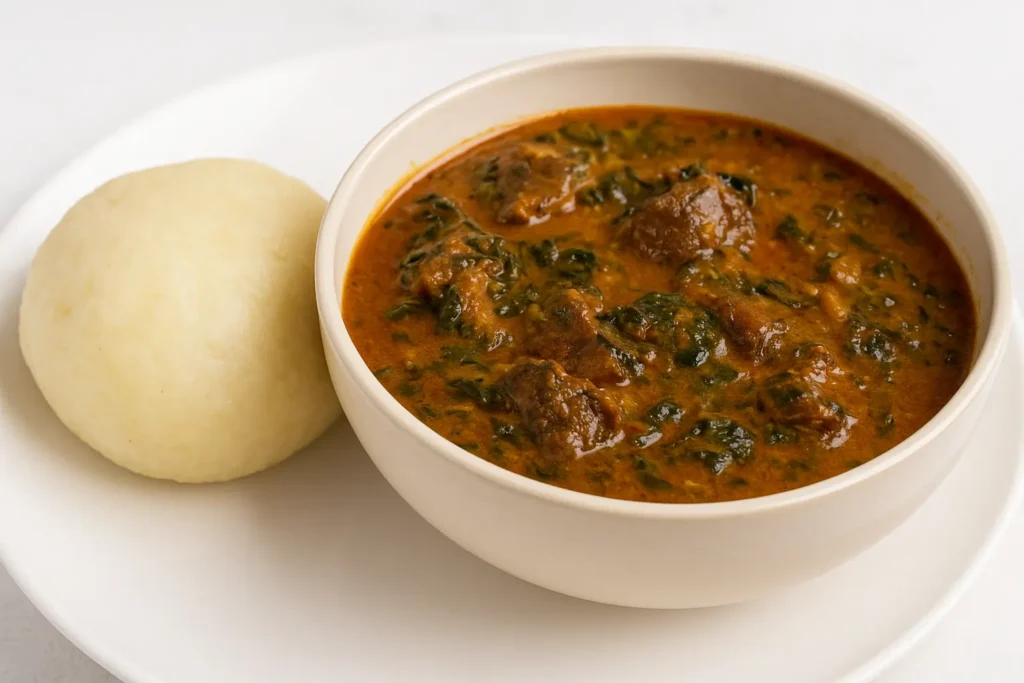
Ogbono soup is one of the most versatile Nigerian soups, and one of the things that makes it special is how well it pairs with different types of swallow. The rich, stretchy texture makes it enjoyable with almost any side dish, whether soft, firm, smooth, or slightly grainy. How you serve it can completely elevate the eating experience, especially when the flavors blend well with the chosen swallow.
Below are the best ways to serve Ogbono soup to get the most satisfaction from every bite.
1. Serve Ogbono Soup with Fufu (Cassava Fufu)
Fufu is one of the most common and traditional pairings for Ogbono soup. The smooth, stretchy consistency of fufu complements the draw texture of Ogbono perfectly. This combination is filling, satisfying, and ideal for a classic Nigerian meal. When serving, scoop a portion of fufu on the plate and ladle the hot Ogbono soup beside it so the textures blend naturally.
2. Pair with Pounded Yam
Pounded yam gives a slightly firmer, smoother feel that works beautifully with Ogbono soup. Many people consider this the “special occasion” combination because it feels luxurious and rich. Serve your pounded yam hot and fluffy, then pour a generous amount of Ogbono soup over it or serve side-by-side depending on preference.
3. Enjoy with Eba (Garri)
Eba is one of the most affordable and widely enjoyed options. Whether you prefer yellow garri or white garri, Ogbono soup matches it perfectly. The slight firmness of eba helps balance the slippery texture of Ogbono soup, making it especially enjoyable. Serve the eba molded neatly and place the soup in a deep bowl for easy dipping.
4. Serve with Amala for a Unique Flavor Mix
For people who enjoy bold combinations, amala and Ogbono soup make a fantastic pair. The earthy flavor of amala blends nicely with the richness of Ogbono, creating a deeply satisfying meal. This is especially popular in Southwestern Nigeria. Serve the amala warm and soft, with the soup steaming hot.
5. Combine with Semolina or Wheatmeal
Semolina and wheatmeal are lighter swallow options that pair well with Ogbono soup without feeling too heavy. They are great for people who want a smooth texture but prefer something less dense than fufu or pounded yam. Serve them freshly prepared and soft so they soak up the soup nicely.
6. Add Fresh Sliced Pepper or Onion on the Side (Optional)
Some people enjoy adding a little sliced fresh pepper or onions on the side for extra heat and crunch. This is optional, but it enhances the flavor especially if the soup contains assorted meat.
7. Serve Hot for the Best Experience
Ogbono soup tastes best when served hot because the draw texture becomes smoother and richer. Allowing the soup to cool too much can reduce the stretchiness. If you’re serving a large family or guests, keep the pot warm on low heat until everyone is ready.
Storage and Reheating Tips for Ogbono Soup
Ogbono soup stores very well because of its thick, oily base, which helps preserve the flavor even after several days. Whether you cook a large pot for the family or want to meal-prep for the week, knowing how to store and reheat Ogbono soup properly will help keep it fresh, tasty, and safe to eat.
Below are the best methods to store and reheat Ogbono soup without losing its rich taste or stretchy texture.
1. How to Store Ogbono Soup in the Fridge
If you plan to eat the soup within three days, store it in the refrigerator. Allow the soup to cool completely before transferring it into an airtight container. This helps prevent moisture buildup and keeps the soup from spoiling quickly.
Once sealed, place it in the fridge; the soup will stay fresh for two to three days. Avoid storing it in the pot used for cooking because frequent opening exposes it to bacteria.
2. How to Freeze Ogbono Soup for Longer Storage
For long-term storage, freezing is the best option. Ogbono soup freezes very well and can last up to three months without losing quality.
To freeze it, portion the soup into freezer-safe containers or zip-lock bags. Divide into meal-sized portions so you only thaw what you need. Label the containers with the date so you can track freshness.
3. How to Reheat Ogbono Soup Without Losing Stretchiness
When reheating Ogbono soup, always use low heat. High heat can break down the draw texture and make the soup watery.
Place the soup into a pot and warm it slowly on low to medium heat. Stir occasionally so it heats evenly. If the soup becomes too thick, add a small amount of warm water or stock to loosen it without watering down the flavor.
4. Reheating Ogbono Soup in the Microwave
A microwave can be used for quick reheating if you’re short on time.
Transfer a small portion of the soup into a microwave-safe bowl, cover lightly, and heat in short intervals (30–40 seconds), stirring between each round.
This prevents overheating and helps maintain the soup’s natural texture.
5. Avoid Reheating Multiple Times
To preserve quality and prevent spoilage, avoid reheating the entire pot each time. Instead, scoop out only the amount you need and reheat that portion.
Repeated heating and cooling can cause the soup to lose its taste and may make it unsafe to eat over time.
6. What to Do If the Soup Smells Sour
Ogbono soup normally has a rich, earthy aroma. If it ever smells sour or develops a strange foam, it may be spoiling.
Discard it immediately. Do not attempt to “fix” spoiled soup by boiling it because harmful bacteria may still remain.
Common Mistakes to Avoid When Cooking Ogbono Soup
Cooking Ogbono soup is easy, but small mistakes can affect the taste, texture, and overall quality of your soup. If you want your Ogbono to come out smooth, stretchy, and delicious every time, make sure you avoid these common mistakes.
1. Using Low-Quality or Old Ogbono Seeds
The quality of your Ogbono determines how well the soup will draw. Old or fake Ogbono will not thicken properly and may cause the soup to separate.
Always buy fresh, well-ground Ogbono from a trusted vendor to get the best results.
2. Allowing the Ogbono to Burn
Ogbono burns very quickly, especially when frying it in palm oil. Once it burns, the soup will taste bitter and lose its smooth texture.
Stir continuously and use medium heat to prevent burning.
3. Adding Too Much Water
Too much water can make Ogbono soup watery and reduce its draw.
Add water or stock gradually until you reach your desired consistency. Remember, Ogbono thickens more as it cooks.
4. Overcooking the Vegetables
Bitter leaf, ugu, or spinach should be added towards the end.
Overcooking them can make the soup lose its fresh taste and bright color. Add vegetables only when the soup is almost done.
5. Using Too Many Seasonings
Ogbono soup tastes best when the natural flavor of the seeds, meat, and stock comes through. Adding too many spices or seasoning cubes can overpower the original taste.
Keep it simple, and adjust seasoning gradually.
6. Adding Ogbono to Very Hot Oil
If the palm oil is too hot, Ogbono may clump together and refuse to dissolve.
Heat your oil gently, then add the Ogbono and mix until it melts smoothly.
7. Not Allowing Meat Stock to Boil Before Adding Ogbono
If you pour Ogbono into cold or warm stock, it may not dissolve well.
Always allow the stock to boil before adding Ogbono so it activates and blends smoothly.
8. Cooking Without a Lid
Ogbono needs steam to melt fully and draw properly. Cooking without covering the pot may affect the stretchiness.
Cover the pot and simmer for a few minutes to get the perfect texture.
Frequently Asked Questions About Ogbono Soup (FAQs)
Many people love Ogbono soup but still have questions about how to cook it, store it, or get the perfect texture. Below are the most common questions people ask and clear answers to help you prepare the best Ogbono soup at home.
1. Why is my Ogbono soup not drawing?
This happens mostly when the Ogbono seeds are old, fake, or mixed with other ingredients.
To fix this, use fresh, pure Ogbono from a trusted source. Also, avoid overheating the seeds because burnt Ogbono loses its draw.
2. Can I mix Ogbono with Okra?
Yes, you can. Many Nigerians enjoy the combination because it makes the soup extra stretchy and tasty.
Just cook the Ogbono first, then add the okra towards the end so it stays fresh and crunchy.
3. How long does Ogbono soup last in the fridge?
When stored properly in an airtight container, Ogbono soup can last 3 to 5 days in the refrigerator.
Make sure the soup cools completely before storing it.
4. Can Ogbono soup be frozen?
Yes, Ogbono soup freezes very well. You can keep it in the freezer for up to 2 months without losing its taste or texture.
Just thaw it in the fridge before reheating.
5. Is Ogbono soup healthy?
Absolutely. Ogbono is rich in healthy fats, fiber, minerals, and antioxidants.
The soup also contains protein from meat or fish, and vitamins from vegetables, making it a complete and nutritious meal.
6. How do I make my Ogbono soup thicker?
If your soup is too light, simply add more ground Ogbono gradually.
You can also reduce the amount of water or stock used.
7. What is the best swallow to eat with Ogbono soup?
Ogbono soup goes well with many Nigerian swallows like:
✔ Pounded yam
✔ Eba (garri)
✔ Semovita
✔ Amala
✔ Fufu (Akpu)
The most popular combo is Ogbono soup with pounded yam.
8. Can I cook Ogbono without palm oil?
Yes, you can. Some people prepare oil-less Ogbono soup for health or personal reasons.
The soup will still draw, but it may not have the rich color that palm oil gives.
9. Why does my Ogbono soup turn out too oily?
This usually happens when too much palm oil is added.
Use only a moderate amount and adjust slowly until you get the right balance.
10. Can I use smoked fish alone to cook Ogbono soup?
Yes, smoked fish alone works perfectly.
It gives the soup a deep, traditional flavor and is great for people who do not want red meat.
Conclusion: Final Thoughts on Making Delicious Ogbono Soup
Ogbono soup is one of the easiest Nigerian soups to prepare, yet it remains one of the most loved because of its rich taste, smooth texture, and natural draw. Whether you are cooking it for your family, serving guests, or preparing it for a special event, the steps in this guide will help you make a perfect pot every single time.
The beauty of Ogbono soup is that it allows you to be creative. You can enjoy it with beef, goat meat, chicken, smoked fish, or even a mix of all. You can keep it simple or add vegetables to boost the taste and nutrition. No matter how you choose to prepare it, the soup always comes out delicious when the right ingredients and cooking methods are used.
By following the step-by-step guide, ingredient tips, variations, serving suggestions, and storage advice in this post, you now have everything you need to master this classic Nigerian dish. You also learned helpful answers to common questions many people ask about Ogbono soup. With this knowledge, you can confidently cook a pot that is rich, flavorful, and enjoyable.
If you are running a food blog, cooking for your home, or learning Nigerian cuisine, Ogbono soup is a recipe you should always keep on your list. It is fast to make, affordable, and perfect for all ages.
Feel free to experiment with different protein choices, spice levels, and vegetable combinations until you find your own special version of Ogbono soup. The most important thing is to enjoy the cooking process and make the soup your own.